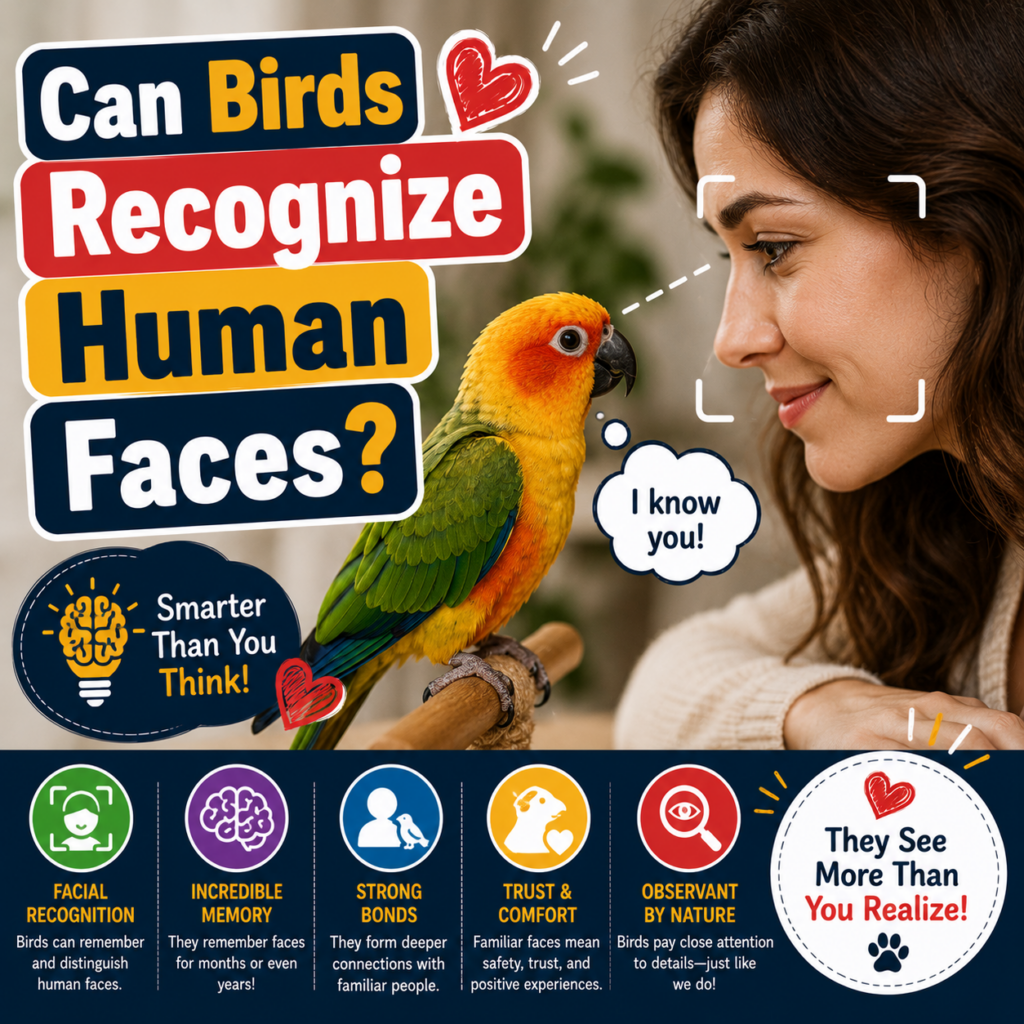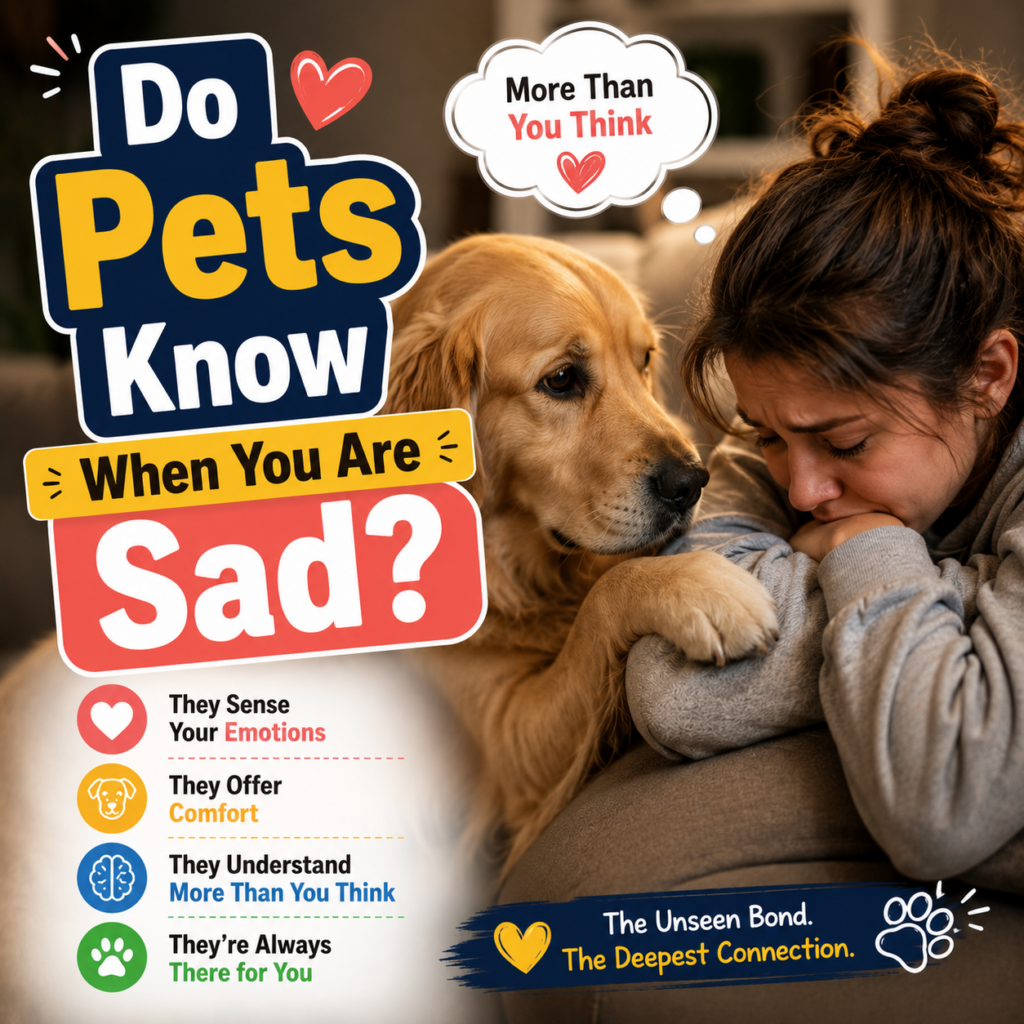
Any pet parent who has ever walked through their front door after a brutal, exhausting day at the workspace knows the feeling. It doesn’t matter if you made critical mistakes at your job, felt isolated by your peers, or forgot to pay a bill on time. The exact microsecond the deadbolt turns, your dog explodes into a spinning blur of pure joy, your cat greets you with a soft, adoring head-bunt, or your companion parrot lets out an enthusiastic flock call.
Animals offer an elite psychological luxury that is notoriously difficult to find in human social circles: unconditional positive regard without language barriers. They love us with a pure, uncomplicated devotion that feels almost magical.
But what is the true science behind unconditional love in pets?
Are our companion animals genuinely experiencing a deep, soulful emotion of pure love, or is their famous loyalty driven by an elegant loop of evolutionary biology, chemical hormones, and survival programming? Let’s dive into the fascinating neuroscience and history of the human-animal bond to unlock the truth.
1. The Oxytocin Loop: The Evolutionary Love Molecule
To decode why a pet’s devotion feels so absolute, we have to look past sentimental poetry and step directly into cognitive neuroscience.
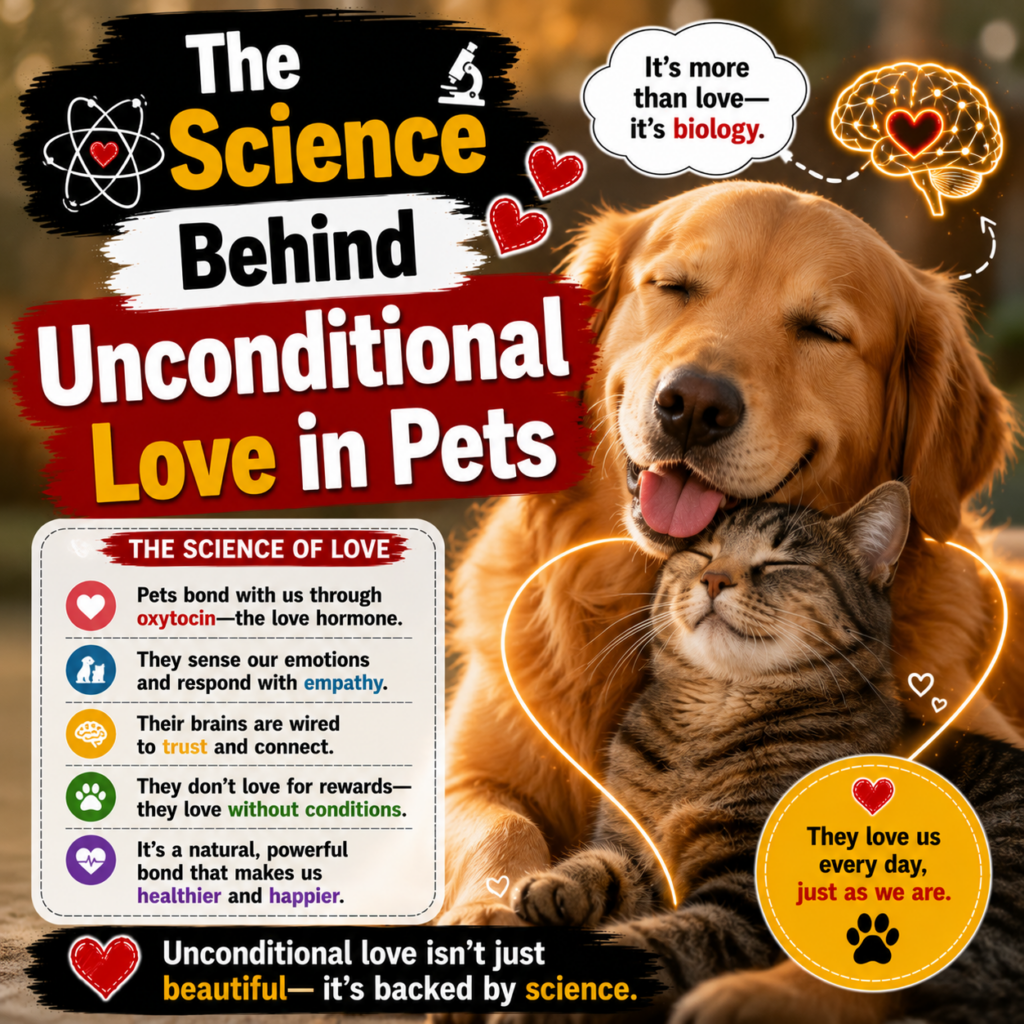
The emotional core of the human-animal bond is governed by a powerful mammalian hormone called oxytocin, often referred to by biologists as the “love, trust, and bonding molecule.” Oxytocin is the exact same chemical that fires in a human mother’s brain when she looks into the eyes of her newborn baby, creating an unshakeable instinct to nurture and protect.
A landmark study in animal behavioral psychology revealed that when a dog parent spends just a few minutes gazing softly into their pup’s eyes, both the human and the canine experience a massive, simultaneous spike in oxytocin levels.
This chemical mirror loop does not exist between wild animals and humans. Over thousands of years of domestication, our pets’ central nervous systems actually adapted to hijack the human bonding pathway. When your pet looks at you with soft, crinkled eyes, they aren’t executing a calculated performance; they are caught in a genuine, involuntary neurochemical wave of absolute trust and affection.
2. Living in the Now: The Absence of Human Social Conditions
Human love is beautifully vital, but because we possess a highly developed prefrontal cortex capable of complex episodic memory, our relationships are naturally complicated. Humans can harbor grudges, calculate social transactions, and let past historical arguments color their present behavior.
Dogs, cats, and birds live almost entirely in the present moment.
Animals lack the abstract, ego-driven hardware required to manufacture resentment, spite, or judgment. They do not care about your financial standing, your clothing choices, your social status, or your past mistakes.
Their brain reads your presence through a highly efficient framework of associative learning. Because you are their primary source of warmth, fresh food, gentle grooming, and physical protection, your personal scent profile is hardwired into the reward centers of their brain. Their love feels “unconditional” because their cognitive architecture simply shuns long-term malice—making you their ultimate, unviolated safe harbor day after day.
At a Glance: How Unconditional Love Manifests Across Species
Every domestic companion utilizes a unique biological and evolutionary playbook to broadcast their deep emotional alignment with their human anchor.
| Pet Type | Their Primary “Love” Hormone | What Their Unconditional Love Signals Look Like | The Underlying Evolutionary Need |
| Dogs | High baseline Oxytocin & Dopamine | Soft sustained eye-gaze, the full-body “noodle” wag, leaning their weight against your shins. | Pack Alignment: Securing close social cohesion with the verified pack leader. |
| Cats | Facial Fraction Pheromones | Head bunting (bunting), slow-blinking from across the room, purring while kneading your lap. | Colony Integration: Blending scents to mark the human as a safe, trusted family asset. |
| Birds (Parrots) | Endorphins & Dopamine | Rhythmic head-bobbing, gentle cheek preening (allopreening), soft beak grinding before sleep. | Flock Monogamy: Choosing the human handler as their primary, lifelong survival alliance. |
3. The Biophilia Hypothesis: A Biological Sanctuary for Humans
Why does receiving this unconditional love from a pet have such a transformative, permanent footprint on human health? The answer is explained by The Biophilia Hypothesis, a scientific theory pioneered by biologist E.O. Wilson.
Biophilia asserts that human beings possess an innate, genetically hardwired tendency to seek connections with nature and other forms of life. For thousands of generations, our ancestors’ survival depended on observing animal behavior; if the birds were singing and the local canines were relaxed, it signaled to the human brain that the immediate environment was entirely safe from predators.
When you sit on the couch and your cat falls into a deep, purring REM sleep cycle on your chest, or your dog rests their heavy jaw on your knee, your primitive brain registers the ultimate ancient cue for absolute safety.
Because the animal has dropped its guard, your central nervous system follows suit. Your blood pressure drops, your heart rate stabilizes, and your mind experiences a profound psychological sanctuary where you can finally stop performing and simply be.
💡 The Scent-Blanket Truth of Scent Glands
Have you ever wondered why your pet prefers to sleep directly on top of your unwashed laundry or your favorite sweater when you aren’t home? It isn’t random comfort. Your dirty clothing holds the highest concentration of your personal biochemical signature. To a pet’s superpowered olfactory tracking system, your scent is a literal physical manifestation of love and protection. Curling up in your items triggers a natural chemical release in their brain, keeping their baseline anxiety metrics low until their human protector returns to the nest range.
The Bottom Line
The unconditional love we receive from our mammalian and avian companions is one of the most scientifically verified, magnificent alliances in the natural world. It isn’t an illusion, and it isn’t just about food. Driven by an evolutionary mirror loop that floods both your brains with feel-good oxytocin, a present-moment cognitive framework that is entirely free from social judgment, and an ancient biophilic link that anchors our nervous systems, their devotion is beautifully real. Treat their pure, uncomplicated affection with the profound patience, mental enrichment, and love it deserves—it is the ultimate proof that under your own roof, you are the absolute center of a beautiful, intelligent universe!