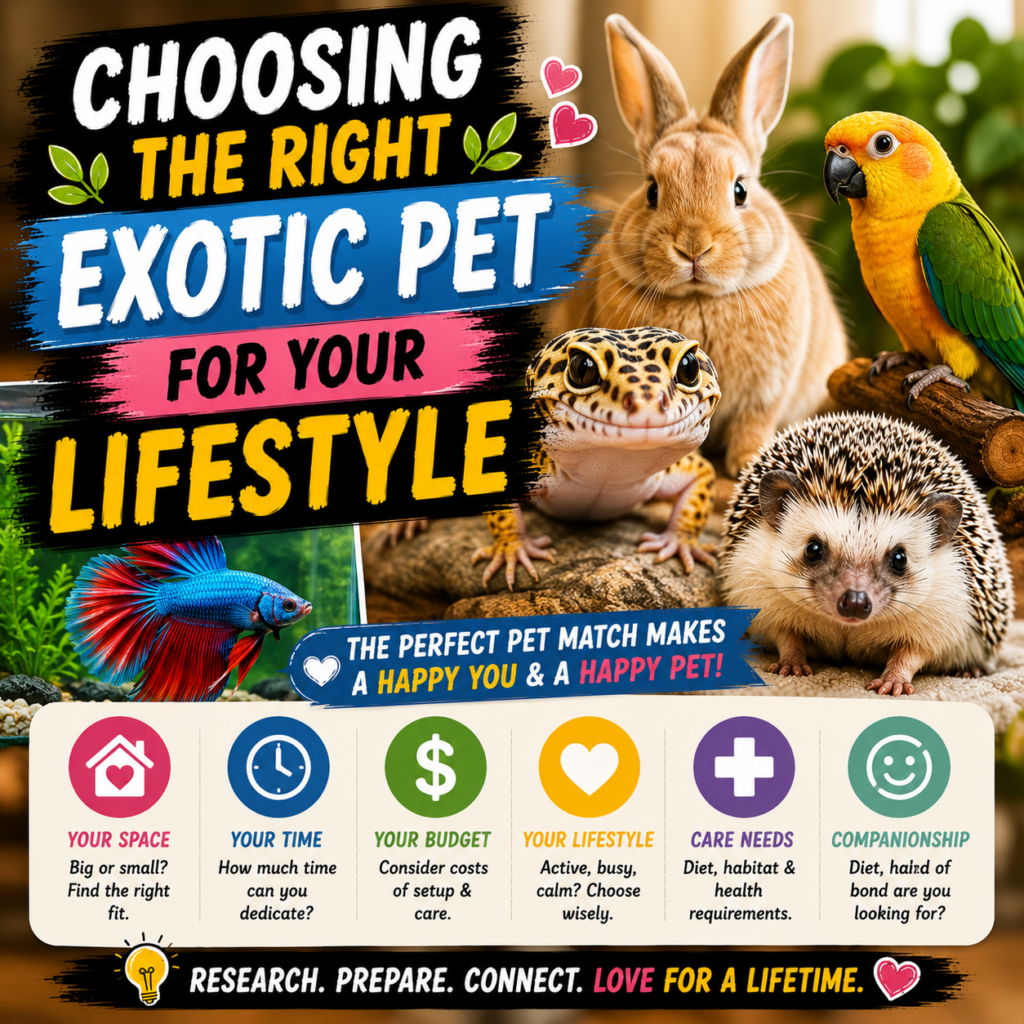
Deciding to welcome a new animal companion into your home is an incredibly exciting milestone. However, if you live in a compact apartment with strict “no barking” noise policies, have a demanding work schedule, or aren’t quite ready for the massive 15-year daily commitment of a dog or cat, you are likely looking toward the pocket pet section.
The world of small mammals, rodents, and exotic pocket pets is incredibly diverse. Unfortunately, many beginners fall into the trap of purchasing an animal based purely on a cute video, assuming all small pets are automatically “low-effort and low-maintenance.”
In reality, many non-traditional companions possess highly complex evolutionary wiring. Picking a species that clashes with your lifestyle can quickly lead to accidental bites, unexpected veterinary medical bills, or severe confinement stress.
So, what is the best small pet for first-time owners? Let’s dive into the biological breakdown of the top 3 beginner-friendly small pets to discover which one matches your home perfectly.

1. The Syrian Hamster (The Best Independent “Night Owl” Companion)
If you are a busy professional who works long hours at an office, or a student who finds yourself wide awake at midnight, the Syrian Hamster (Mesocricetus auratus) is an absolute golden match. Often called the “Golden Hamster” or “Teddy Bear Hamster,” this is the classic, larger variety of the hamster family.
👉 The Syrian Hamster Profile:
Size: 5 - 7 Inches | Lifespan: 2 - 3 Years | Social Preference: Strictly Solitary ❌
Why They Are Great for First-Timers:
- Strictly Solitary Biology: Unlike most herd animals, Syrian hamsters possess absolute zero tolerance for other rodents. They must live 100% alone. This means you only need to build, finance, and clean one single, happy ecosystem without worrying about social roommate brawls.
- Calm and Easy to Tame: Because Syrians are larger and move at a noticeably slower, more deliberate pace than tiny, lightning-fast Dwarf hamsters, they are much easier to scoop up, hold, and socialize without fear of dropping them.
- The No-Separation-Anxiety Bonus: They are nocturnal or crepuscular. They sleep heavily throughout your entire workday and wake up bursting with energy around 9:00 PM—ready to entertain you with their digging and running routines right when you settle down on the couch.
2. Guinea Pigs (The Best Vocal & Cuddly Family Pet)
Are you looking for a small pet that truly recognizes your face, demands physical affection, communicates vocally, and can spend hours happily cuddling on your lap while you watch a movie? You need a Guinea Pig (also known as a Cavy).
Why They Are Great for First-Timers:
- The Sweet, Verbal Relationship: Guinea pigs develop an incredibly rewarding vocal connection with their owners. They are famous for a loud, enthusiastic chorus of high-pitched whistles known as “wheeking” whenever they hear the refrigerator door open or plastic vegetable bags crinkle.
- Gentle Nature: Guinea pigs have a naturally docile defensive matrix. When they feel startled, their instinct is to freeze or run away rather than bite, making them remarkably safe and patient around older children and beginners.
- Longer, Rewarding Lifespan: While hamsters only live for 2 to 3 years, healthy guinea pigs easily live for 5 to 8 years, giving you plenty of time to forge a deep, familial bond.
The First-Time Caveat ⚠️
Because they are intensely social herd animals, guinea pigs must always be housed in same-sex pairs or groups. Forcing a single guinea pig to live alone triggers severe psychological depression. They also require a spacious flat enclosure (minimum 10.5+ square feet) and a steady supply of fresh, Vitamin-C-rich vegetables like green bell peppers.
3. Male Fancy Mice (The Ultimate Low-Budget Display Pet)
If you have limited desk space, a tight budget, and want a highly dynamic, visually entertaining habitat to observe without the pressure of constant daily handling, Fancy Mice are an underrated marvel for beginners.
Why They Are Great for First-Timers:
- Minimal Financial & Space Footprint: Mice require significantly smaller enclosures and consume very small amounts of food compared to guinea pigs or rabbits. A secure glass tank filled with deep paper burrowing substrate is incredibly easy and inexpensive to set up.
- The Solitary Convenience of Males: While female mice must live in social groups, adult male mice are highly territorial against other males and thrive completely alone. A single male mouse will focus all of its social curiosity directly on you, making them surprisingly easy to hand-tame with a tiny crumb of cracker or seed.
- Cinematic Interaction: Watching a mouse engineer its intricate tunnel networks, navigate climbing branches, and forage for hidden seeds at night is pure, hypnotic visual entertainment.
Head-to-Head Beginner Compatibility Matrix
Use this quick diagnostic tool to see which small pet aligns with your current lifestyle constraints:
| Companion Breed | Social Requirement | Ideal Owner Profile | Lifespan Expectancy | Handling Difficulty |
| Syrian Hamster 🐹 | Strictly Solitary (1 per cage) | Busy professionals, night owls, older children. | 2 – 3 Years | 🟢 Easy (Calm & chunky size) |
| Guinea Pigs 🐾 | Must Live in Pairs+ (2+ per cage) | Interactive families, work-from-home owners. | 5 – 8 Years | 🟢 Easy (Very docile & cuddly) |
| Male Fancy Mice 🐭 | Thrives Solitary (1 per cage) | Budget-conscious keepers, visual observers. | 1.5 – 2 Years | 🟡 Moderate (Small & speedy) |
3 Golden Rules Every First-Time Small Pet Owner Must Know
Before heading to a reputable rescue shelter or breeder, completely eliminate beginner failure rates by following these three universal rules:
1. Bypass Standard Pet Store Wire Cages
Corporate pet store shelves are packed with colorful, plastic, tiny modular cages. Never buy these. They are claustrophobic stress traps. All small rodents are hardwired to travel extensive distances every single night to forage. Always purchase an expansive solid-glass aquarium, a wooden reptile terrarium, or build a large DIY plastic bin cage offering plenty of unbroken floor space.
2. Deepen Your Bedding (The Burrowing Mandate)
Pocket rodents are underground or nesting animals. Never scatter a thin, 1-inch layer of wood shavings across the floor just to absorb urine. Fill your enclosure with a minimum of 6 to 8 inches of tightly packed paper bedding. Deep substrate allows them to build permanent tunnels and nests, instantly lowering their stress hormones.
Material Alert: Absolutely avoid pine or cedar wood shavings, as their natural phenols cause severe respiratory infections in small animals. Stick to safe, unscented paper-based substrate or kiln-dried aspen.
3. Secure an Exotic Vet Specialist First
Standard local veterinarians specialize almost exclusively in dogs and cats. They are generally not licensed or physically equipped to treat unique small animal anatomy, perform micro-surgeries, or diagnose small rodent illnesses. Before bringing any pocket pet home, call your local animal hospitals and ensure there is a certified Exotic Small Mammal Specialist within a reasonable driving distance.
Conclusion: Match the Animal to Your Real Daily Routine
At the end of the day, there is no single “perfect” small pet for every single household. The best starter pet is simply the one that naturally aligns with your realistic space parameters, financial budget, and evening availability.
- Choose a Syrian Hamster if you want an independent, low-effort companion that wakes up right when your workday ends.
- Choose a Pair of Guinea Pigs if you want a highly vocal, long-term, affectionate family bond.
- Choose a Single Male Mouse if you want a high-energy, budget-friendly display habitat to observe.
Construct a spacious, species-appropriate sanctuary, respect their natural biological rhythms, and enjoy the incredibly unique, rewarding magic of your very first pocket pet relationship!