Have you ever noticed your dog stepping between you and a approaching stranger? Or perhaps your usually calm cat lets out a low, warning hiss when a delivery person gets too close to the front door? It is a fascinating and often comforting experience, but it leaves many pet parents wondering: Why some pets become protective of their humans?
Is it a sign of pure, unadulterated love, an expression of resource guarding, or is it deeply hardwired into their genetic code?
Let’s look at the evolutionary biology and animal psychology behind why our domestic companions transform into mini bodyguards.
1. The Pack Mentality and Social Bonding
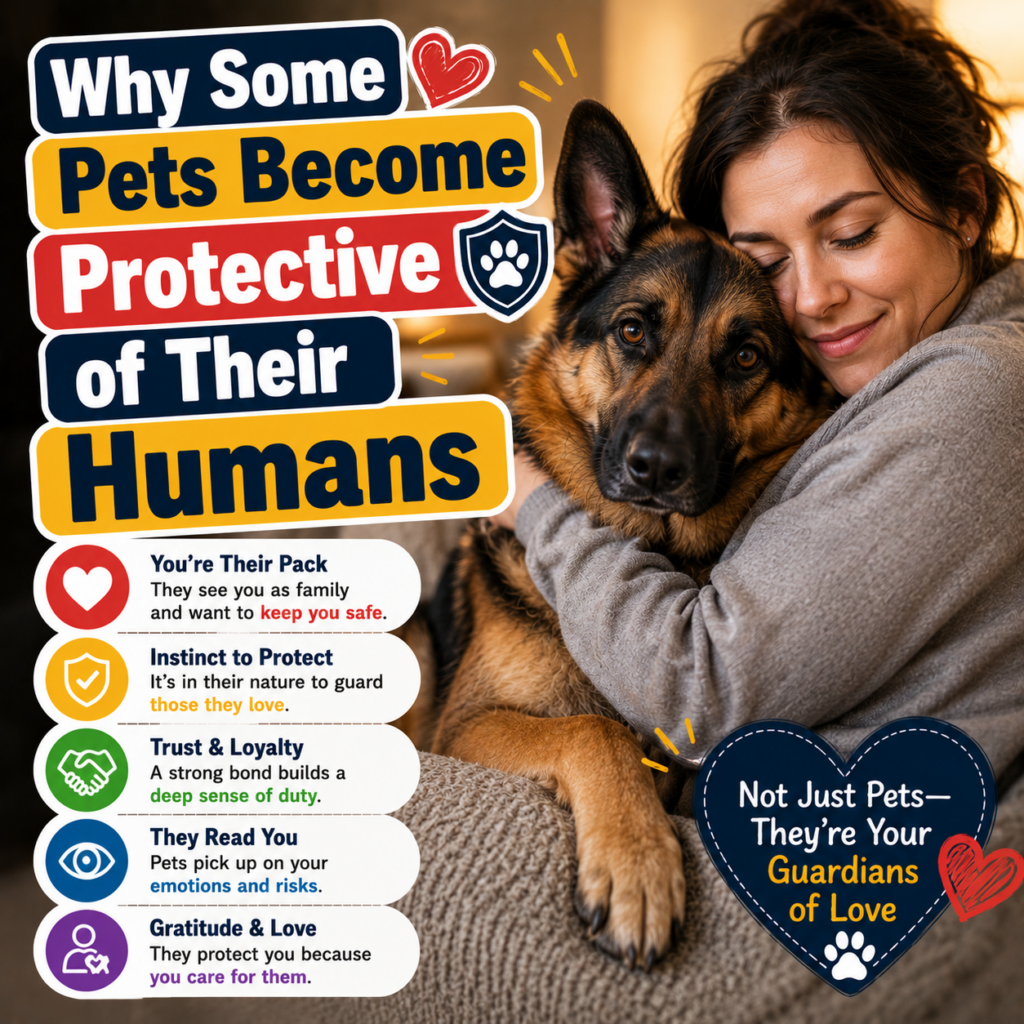
To understand protective behavior, we have to look at the world through the eyes of a pack or flock animal. In the wild, animals like wolves and wild birds rely on a tightly knit social structure for survival. If one member of the group is vulnerable, the entire group steps up to defend them.
When an animal is domesticated and brought into a home, your human family becomes their pack.
- Dogs view you as their pack leader or a vital family member whose safety ensures their own survival.
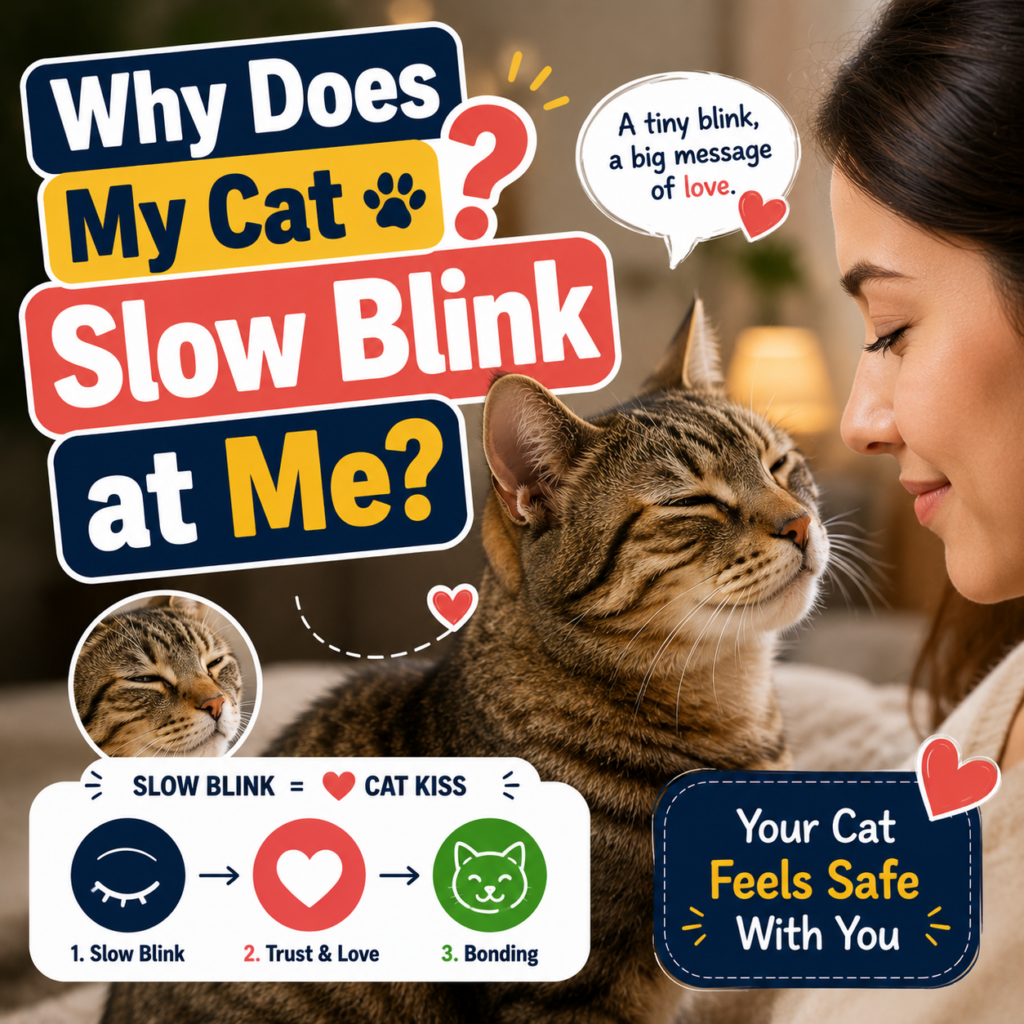
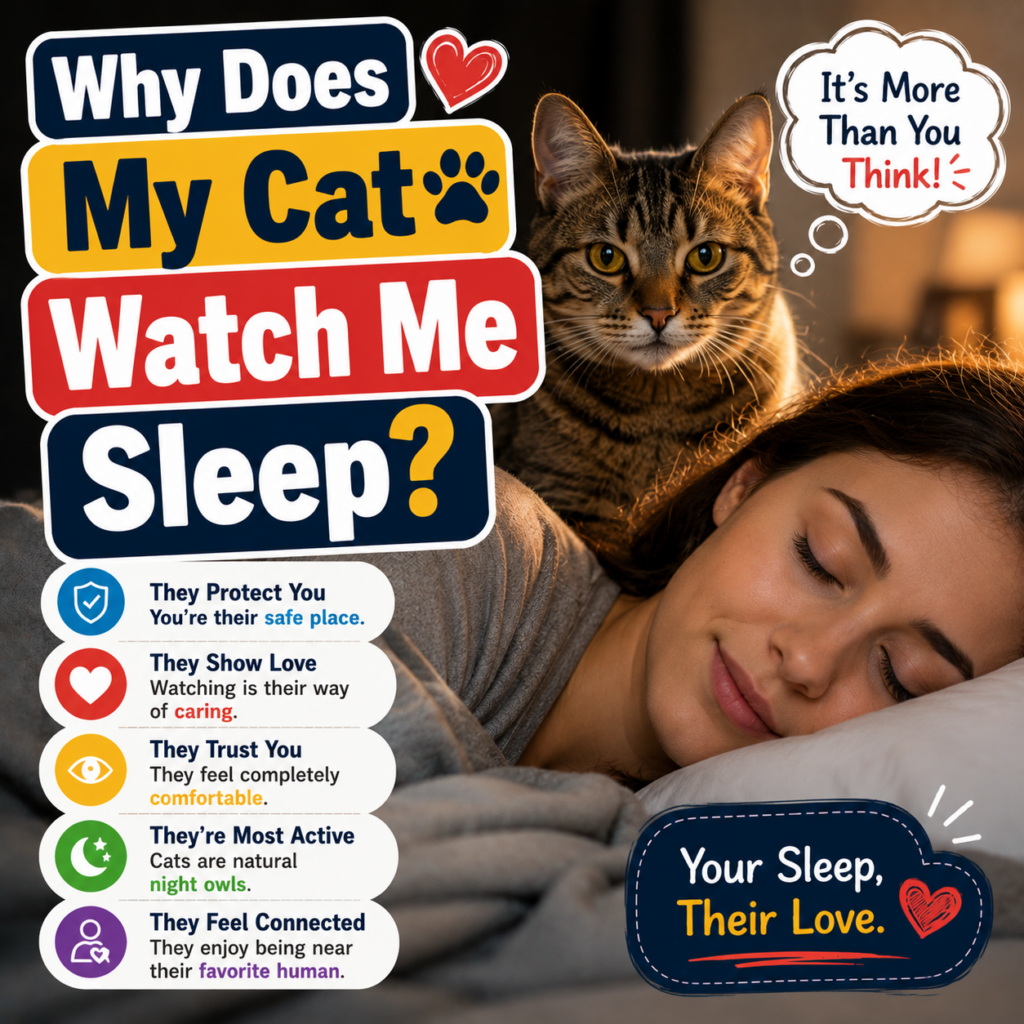
- Cats, despite their independent reputation, form secure, territorial bonds with their humans and will actively defend their safe space.
- Parrots often view their favorite human as a lifelong mate, prompting a powerful evolutionary instinct to guard you against any “rivals.”
When your pet senses that you are startled, nervous, or in an unfamiliar situation, their natural instinct is to close the physical gap and act as a shield.
2. Reading Your Chemical Stress Markers
Pets don’t just watch us; they listen and smell us with an intensity that is almost supernatural. When you feel anxious, uncomfortable, or threatened by a situation or a stranger, your body undergoes immediate biochemical changes:
- Your cortisol (stress hormone) and adrenaline levels spike.
- Your heart rate accelerates, changing the rhythm of your breathing.
- Your sweat chemistry shifts in a way that is highly detectable to animals.
A dog’s nose, which possesses up to 300 million olfactory receptors, can literally smell your fear. When your pup detects that you are stressed, they assume there is a genuine threat in the environment. Their protective stance is a direct reaction to your internal distress.
At a Glance: Protective Signs Across Different Pets
Every species has a completely unique way of announcing that they are stepping into “guardian mode.”
| Pet Type | Key Signs of Protection | Root Motivation |
| Dogs | Standing between your legs, low growling, intense staring at the “threat,” tail held high and stiff. | The Pack Shield: Protecting a vital member of their social structure. |
| Cats | Arching their back, fluffing their tail, puffing out their fur, letting out a low growl or hiss. | The Territory Guard: Defending their safe human and home boundaries. |
| Birds | Pinning their eyes (pupils dilating), lunging forward, flaring wings, screaming when someone approaches. | The Mate Protector: Guarding their chosen partner from perceived rivals. |
3. The Fine Line Between Protection and Over-Bonding
While having a protective pet makes us feel loved, animal behaviorists warn that there is a dangerous fine line between healthy loyalty and over-bonding or resource guarding.
In animal psychology, “resource guarding” happens when a pet views you not as a beloved friend, but as a prized possession that they own. If your pet snaps at your spouse when they sit next to you, or growls when your children approach your lap, this isn’t protective love—it is territorial anxiety.
Over-bonding is especially common in highly intelligent birds like Macaws or Cockatoos. Because they are monogamous by nature, they can mistake an owner’s affection for courtship, leading to severe mate-defense aggression toward other household members.
💡 The Golden Rule of Physical Contact with Birds
To prevent your parrot from becoming dangerously protective or aggressive toward others, only scratch them on their head and neck. Stroking a bird on their back, stomach, or under their wings stimulates them hormonally. This triggers nesting instincts, making them view you as a mate and increasing territorial lunging at anyone else who enters the room.
How to Manage and Balance a Protective Pet
If your pet’s protective instincts are turning into unwanted aggression or reactivity, you can gently reshape their behavior using these expert tips:
- Project Calm Leadership: Animals mirror our energy. If you remain calm, speak in a relaxed tone, and maintain loose body language around strangers, your pet will register that the situation is safe.
- Practice Positive Reinforcement: Reward your pet with high-value treats when they remain calm and quiet in the presence of guests or unfamiliar noises. This teaches them that visitors equal good things, lowering their defensive guard.
- Establish a “Place” Command: Train your dog or cat to go to a specific mat or bed when the doorbell rings. Giving them a structured job to do diverts their anxious energy away from guarding the entryway.
The Bottom Line
When a pet steps up to protect you, it is a magnificent testament to the deep, empathetic connection you share. Whether it is a dog’s physical shield, a cat’s vigilant stance, or a parrot’s fierce loyalty, their protective behavior is rooted in a desire to keep their favorite human safe. By understanding their underlying instincts and setting healthy social boundaries, you can ensure that your furbaby’s loyalty remains a beautiful, safe, and rewarding part of your lives together!