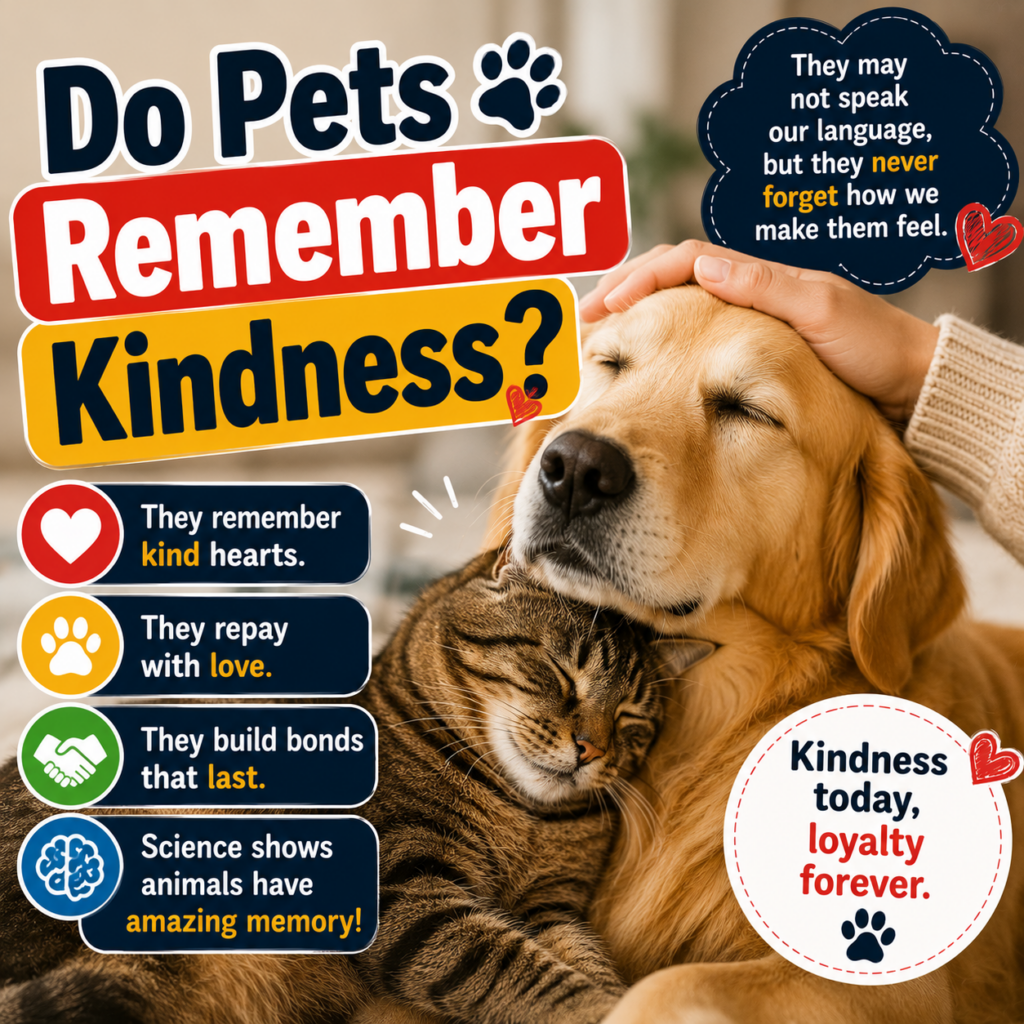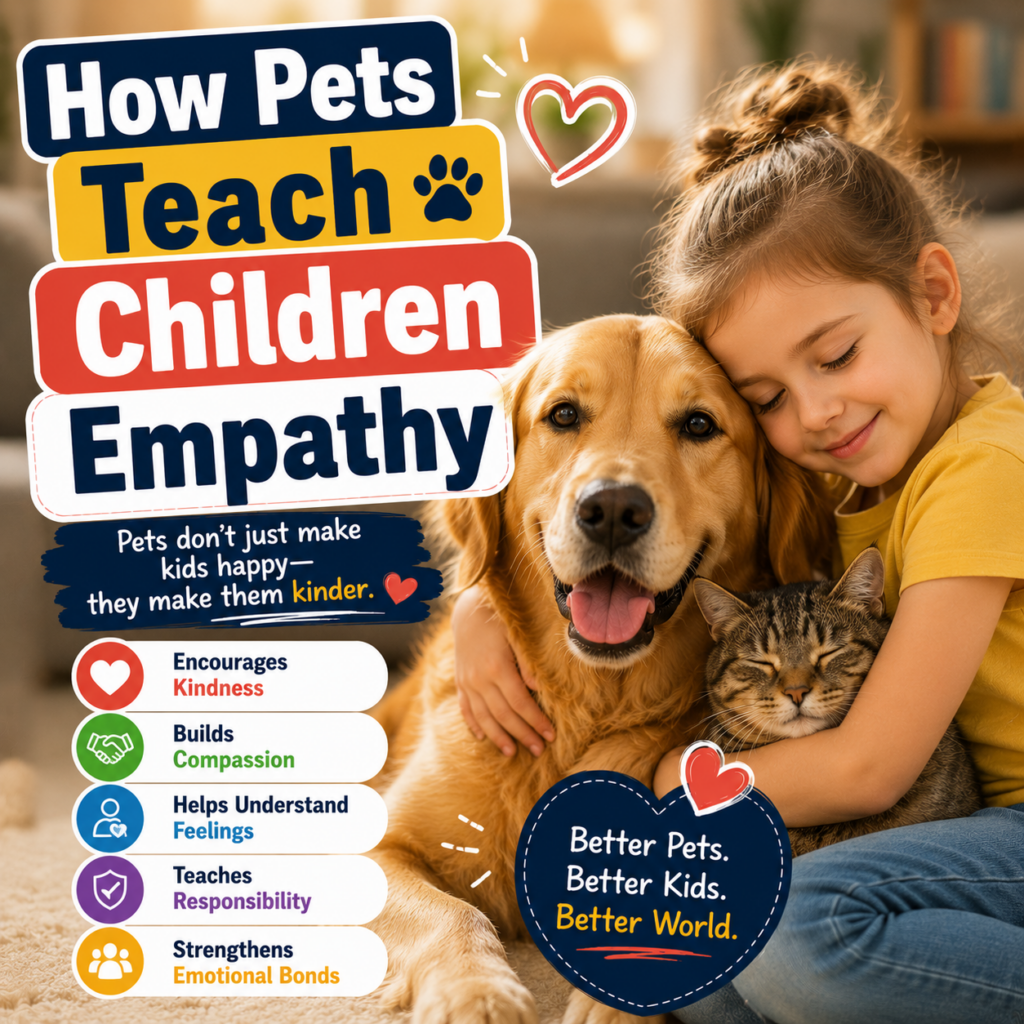
We love showering our animal companions with obvious, heavy displays of human affection—buying them premium treats, building elaborate home foraging mazes, and wrapping them in warm hugs. But because animals live in a completely non-verbal sensory world, they don’t say “I love you” or “I trust you” using human scripts.
Instead, domestic mammals and highly cognitive exotic birds communicate their deepest vulnerability through a quiet, fascinating grid of micro-behaviors.
Sometimes, these signs are so subtle that pet parents pass them off as random, quirky habits. However, in animal behavioral psychology, these tiny actions are the ultimate biological compliments.
What are the little things pets do that mean “I trust you”? Let’s look into the fascinating evolutionary neuroscience and body language cues that prove you have successfully transformed your home territory into your pet’s ultimate safe sanctuary.

1. The Vulnerability Blueprint: Exposing High-Risk Anatomy
In the wild architecture of survival, an animal’s primary instinct is self-preservation. Predators are continuously looking for weak spots, and prey animals are genetically hardwired to guard their most vulnerable, life-sustaining organs at all costs.
When an animal voluntarily exposes these high-risk areas to you, they are executing an elite act of psychological surrender.
Across Species:
- The Canine Belly Roll: When a dog flops onto their back, legs splayed, exposing their soft underbelly, they aren’t just soliciting a rub. They are placing themselves in a physically helpless position, trusting completely that you will protect, not harm, the pack alignment.
- The Feline Slow-Blink: For an ambush predator like a cat, closing their eyes in the presence of another entity is a massive safety risk. When a cat looks directly into your eyes and slowly closes and opens their eyelids (the slow-blink), they are executing a feline “I love you,” proving their cortisol levels are at absolute zero.
- The Avian Cheek Rub: When a companion parrot leans their head down, ruffles their neck feathers, and rubs their delicate cheeks against your fingers, they are handing over control of an area they cannot see, marking you as a trusted flock mate.
2. Structural Grounding: The Physical “Lean” and Proximity Anchors
Trust isn’t just displayed when your pet is looking directly at you; it is actively broadcast when they choose to ignore you while remaining physically glued to your side.
Have you ever been standing in the kitchen or sitting at your desk, and your dog walks over and simply presses the full weight of their flank or hips against your shins? In canine psychology, this is known as The Lean.
By leaning their weight against you or sleeping with their back directly touching your spine, your pet is utilizing you as a physical radar screen. They are turning their blind spot over to you, confident that if an environmental threat enters the household range, their trusted human leader will log it and protect the nest territory first.
At a Glance: Tiny Trust Indicators Across the Household Pack
Every companion animal utilizes a highly specialized, non-verbal dialect to confirm that they view you as their ultimate protector.
| Pet Type | The Micro-Behavior | What It Looks Like | The Root Science / Meaning |
| Dogs | Sustained Eye-Gaze | Looking softly into your face with relaxed, wide, unblinking eyes. | The Oxytocin Mirror: Triggers a massive release of the bonding hormone in both your brains. |
| Cats | The Tail “Question Mark” | Walking into a room with their tail held high, looping slightly at the tip. | Territorial Confidence: Signals complete happiness and safe social engagement with the handler. |
| Birds (Parrots) | Beak-Grinding | Sliding their upper and lower mandible together to create a soft, clicking sound before sleep. | Flock Decompression: Proves their hyper-vigilant prey instincts have completely dropped for the evening. |
3. The Pheromone Stamp: The “Cheek-Rubbing” Matrix
If you share your home with a cat, you are likely very familiar with the feeling of them aggressively bumping their forehead, lips, and cheeks against your ankles, hands, or even your face.
While humans interpret this as a sweet, cuddly gesture, its biological reality is an advanced form of chemical property mapping.
Cats possess highly specialized scent glands concentrated around their cheeks, chin, and the base of their tail. When they rub these areas against your skin or clothing, they are printing their unique pheromone signature onto you.
To a feline nose, they are marking you as a secure, verified asset of their primary territory. By stamping you with their scent, they are telling the outside world: “This human belongs to my inner colony, and I feel completely safe under their protection.”
💡 The Scent Safe Zone: Stalking Your Laundry
Have you ever walked into your bedroom to find your dog or cat curled up fast asleep directly on top of a pile of your dirty laundry or an unwashed sweater? Don’t be annoyed! Your unwashed clothing is heavily saturated with your natural pheromones and skin oils. To a nervous or highly attached pet, your personal scent profile operates like a powerful biochemical security blanket. Sleeping on your items activates the reward centers of their brain, lowering their resting heart rate even when you aren’t physically in the room.
4. The Sleep Anchor: Choosing the Ultimate Nest Site
Where an animal chooses to execute their deep sleep cycles is the single greatest indicator of true psychological trust. In the wild animal kingdom, sleep is the most dangerous window of the day—it is when defensive walls drop and vulnerability to predators hits an absolute peak.
If your dog, cat, or bird relaxes enough to fall into deep REM sleep right next to you, on your lap, or curled up at the foot of your bed, it is an absolute validation of your connection.
They aren’t just looking for physical warmth. Their primitive brain pathways have analyzed your historical track record and concluded that your presence eliminates all environmental risks. They can sleep deeply because they know their human guardian is awake, watching over the sanctuary range.
The Bottom Line
True empathy between a human and an animal companion doesn’t require complex words or grand gestures. It is built silently over thousands of shared days through these microscopic milestones of trust. When your dog leans against your shins, your cat slow-blinks from across the room, or your parrot contentedly grinds their beak before sleep, they are offering you the highest moral compliment an animal can give. They are declaring that you have successfully banished their survival fears, replaced their cortisol loops with loving oxytocin, and created a beautifully secure, balanced household sanctuary where you aren’t just an owner—you are their ultimate family pack leader!