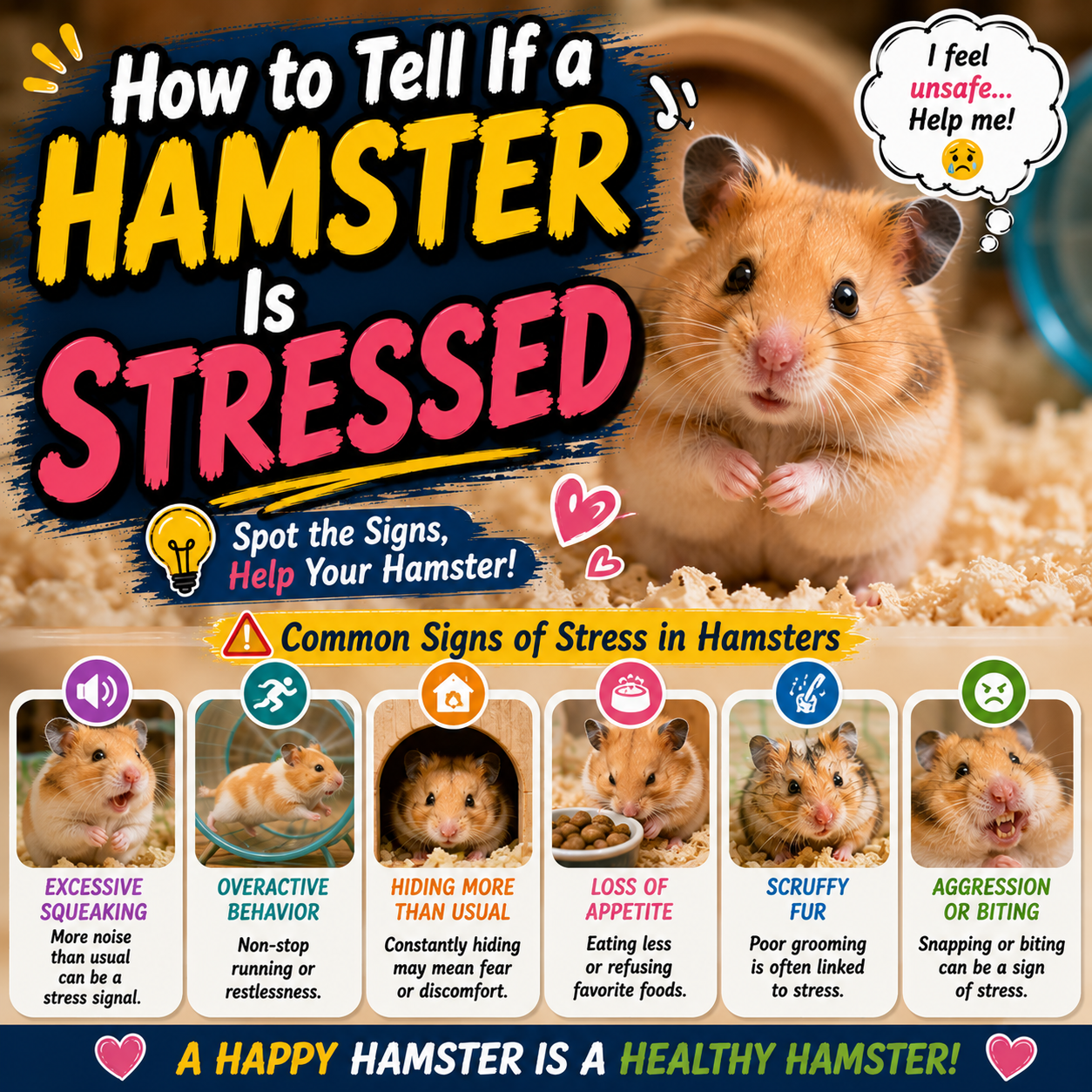
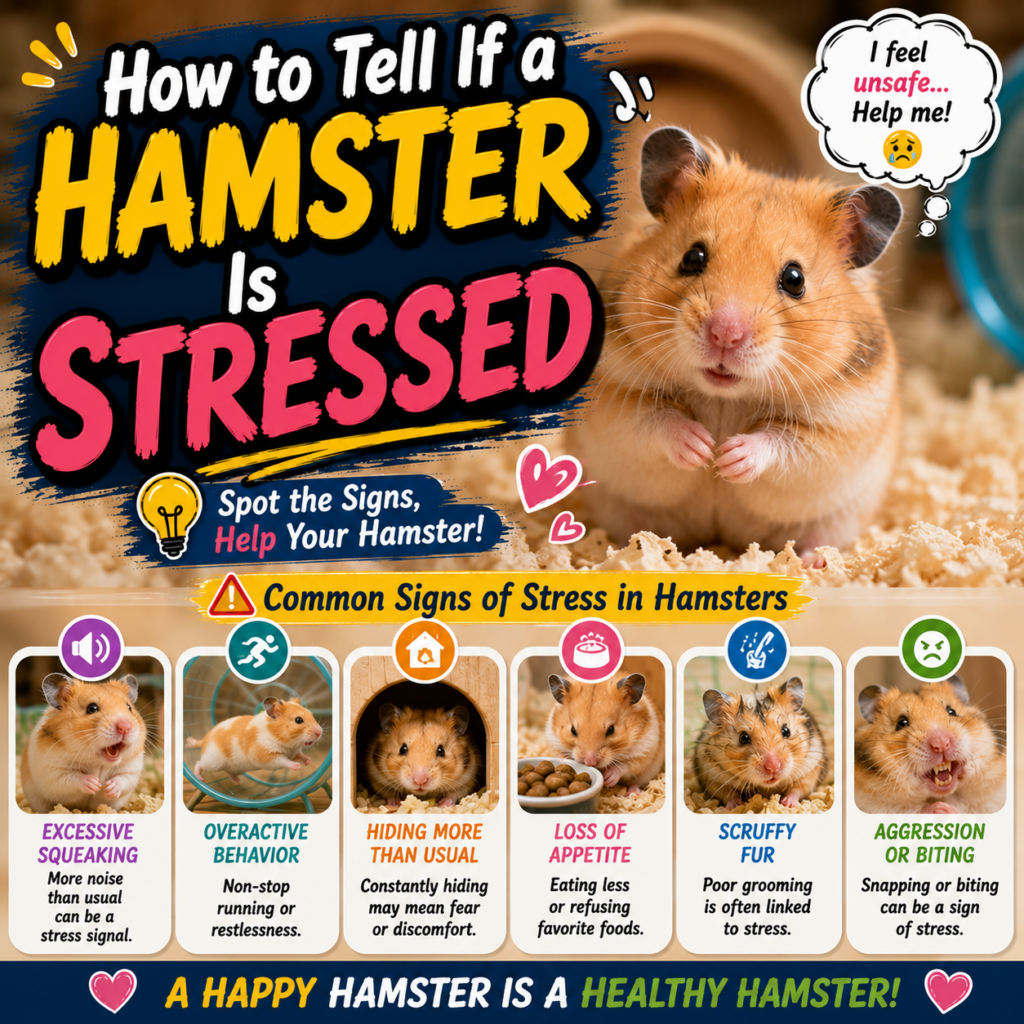
Because hamsters are small, quiet, and naturally cautious prey animals, they don’t cry out or whimper when they are unhappy. Instead, they express their anxiety, boredom, and fear through subtle shifts in their daily routines, posture, and repetitive behaviors.
As a responsible pet parent, learning to recognize these visual cues is critical. Chronic stress doesn’t just make a hamster unhappy—it actively weakens their immune system, leaving them highly vulnerable to severe illnesses like Wet Tail (a fatal diarrheal condition).
So, how do you tell if a hamster is stressed? Let’s break down the 6 most common warning signs and learn how to restore your fluffy friend’s peace of mind.
1. The Dreaded “Bar Biting” (Stereotypic Behavior)
If your hamster spends their nights obsessively chewing, gnawing, or pulling on the metal bars of their cage, do not mistake this for a cute tooth-sharpening habit. Bar biting is a severe sign of extreme psychological distress and frustration.
Hamsters are hardwired to roam several miles a night. When they are confined to a cage that is too small, they develop cabin fever. Bar biting is a desperate, repetitive attempt to escape their enclosure.
- The Danger: This behavior can cause permanent neurological stress, wear down their teeth to the gums, and cause painful facial hair loss.
2. “Monkey Bar” Climbing and Falling Frantically
Does your hamster climb up the wire sides of their cage, hang from the ceiling like a monkey, and then drop heavily to the floor? This is known as monkey barring.
While it looks like acrobatics, it is actually a major red flag for boredom and confinement anxiety. Happy hamsters prefer to spend their energy digging, foraging, and running on a flat wheel. When they resort to frantic ceiling climbing, they are crying out for a larger environment and more enrichment.
3. Excessive or Extreme Grooming (Over-Grooming)
Hamsters are incredibly clean animals that wash themselves frequently. However, there is a distinct boundary between healthy grooming and stress-induced obsessive over-grooming.
When a hamster is chronically anxious, they will repeatedly lick and scratch the exact same spot on their body as a nervous coping mechanism (similar to a human biting their fingernails). Over time, this nervous ticking strips away their fur, leading to noticeable bald patches, raw skin, and scabs—especially around their stomach, hips, and scent glands.
4. Hyperactivity and Rapid Fleeing
It is completely normal for a hamster to be active at night, but a stressed hamster’s movement looks distinctly different. Instead of a smooth, curious trot, a stressed hamster moves with a sense of erratic panic.
They may sprint aimlessly around the enclosure, dart rapidly from one corner to another, or freeze completely at the slightest sound. If you open the cage door and your hamster bolts instantly into a burrow or hides under a wheel, it shows they do not feel secure in their environment.
5. Sudden Aggression (Biting and Hissing)
Have you owned your hamster for a while, but they have suddenly started lunging at your fingers, biting hard enough to draw blood, or making a high-pitched hissing or chattering noise when you get close?
Rabbits and hamsters don’t bite out of malice; they bite out of self-defense. If a hamster is living in a high-stress environment—such as a noisy room, near a barking dog, or being woken up constantly during the day—their nerves will be completely shot. Any human hand approaching them will be viewed as a threat, triggering an aggressive, fear-based reflex.
6. Lethargy and Hunched Posture
On the flip side of hyperactivity, stress can also manifest as complete shutdown. If your hamster stops running on their wheel, refuses to forage for their favorite treats, and sits in a corner with a heavily hunched back and flattened ears, they are under immense physical or mental duress.
⚠️ The Posture Check:
[ Normal Hamster ] ──► Round, alert, whiskers twitching, ears standing upright.
[ Stressed Hamster ] ──► Hunched spine, ears pinned back tight, squinted eyes, sluggish.
The Hamster Stress Checklist: Quick Diagnostic Guide
Use this reference table to evaluate your pocket pet’s emotional wellness:
| Observed Behavior | What It Means | Immediate Action Required |
| Gnawing on metal cage bars. | Cage is severely too small. | Upgrade to a large tank or DIY bin cage. |
| Hissing / Screaming when approached. | Extreme terror or pain. | Back away; let them calm down; move cage to a quiet room. |
| Bald patches or raw skin scratches. | Stress over-grooming or mites. | Add enrichment textures; consult a vet if skin looks red. |
| Constant burrowing and deep sleeping. | Natural, happy instincts. | None! This means they feel safe. |
How to Reduce Your Hamster’s Stress Instantly
If your hamster is displaying these stress indicators, you can easily reverse the damage by optimizing their habitat layout:
- Provide a Modern Large Enclosure: Ditch small pet-store cages. Upgrade to a solid glass tank or a DIY plastic bin cage offering a minimum of 800+ square inches of unbroken floor space.
- Deepen the Bedding Matrix: Hamsters are burrowing animals. They require an absolute minimum of 6 to 10 inches of packed paper bedding to build stable underground tunnels. Deep bedding absorbs sound and odors, making them feel perfectly safe.
- Install a Silent, Appropriately Sized Wheel: Ensure your hamster has a solid-surface running wheel that doesn’t bend their spine (11–12 inches for Syrians, 8 inches for Dwarfs).
- Respect Their Sleep Schedule: Never wake a sleeping hamster during the day. Disrupting their natural circadian rhythm induces severe, chronic cortisol (stress) spikes.
Conclusion: A Peaceful Habitat Breeds a Sweet Pet
At the end of the day, a stressed hamster is simply a hamster trying to cope with an environment that doesn’t match its wild biological instincts. By expanding their territory, burying them in deep paper substrate, providing a silent wheel to burn off midnight stamina, and keeping their room quiet during daylight hours, you will watch their anxiety melt away.
Transform their cage into a peaceful, enriched sanctuary, and your tiny companion will reward you with curious nose nudges, wide yawns, and a lifetime of sweet, calm companionship!